Neasden estate rubbish collection guide for residents
Posted on 27/08/2026

If you live on a Neasden estate, rubbish can build up faster than you expect. Flat clear-outs, missed bin days, bulky items in shared corridors, garden cuttings after a tidy-up, or that one sofa nobody wants to move can all become a headache quickly. This Neasden estate rubbish collection guide for residents is here to make things simpler: what to do, what to avoid, how collections usually work in estate settings, and when it makes sense to bring in a professional clearance team.
Truth be told, estate living changes the rules a bit. Access can be awkward, there may be shared bin stores, parking restrictions, and neighbours who quite reasonably do not want bags left out "just for tonight." So if you want a clean, practical way to handle waste without stress, you're in the right place.
Why Neasden estate rubbish collection guide for residents Matters
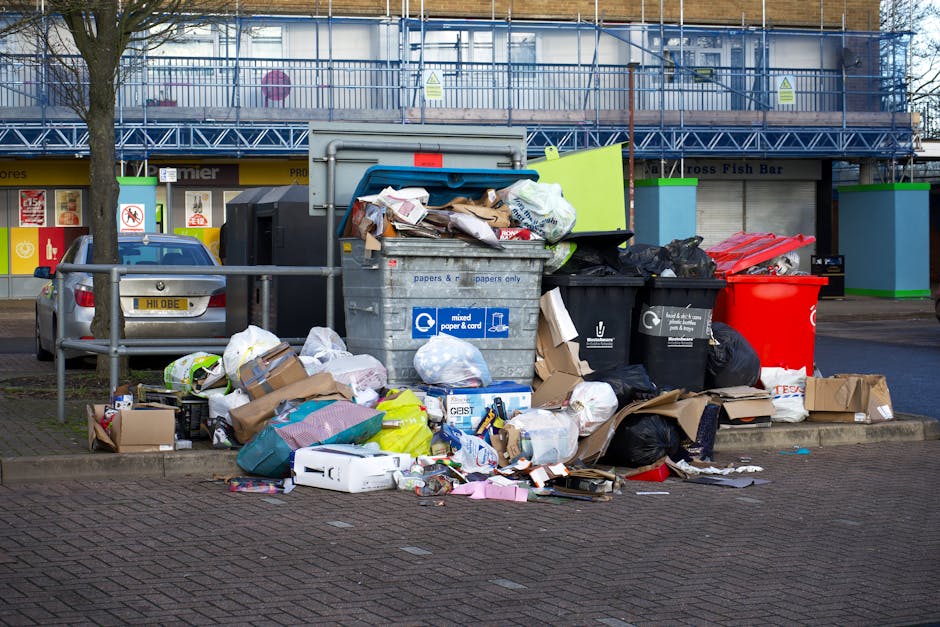
Estate rubbish collection is not just about keeping things neat. It affects hygiene, safety, access, neighbour relations, and sometimes even the speed of a move or refurbishment. In a place like Neasden, where many residents live in shared buildings or estate blocks, waste left in the wrong place can become a real nuisance very quickly. One extra mattress in a stairwell can be enough to block access for everyone.
The issue is usually not lack of care. It is more often a mix of small everyday pressures: busy schedules, limited storage, awkward lift access, and uncertainty about what can go where. People end up guessing. Then bags pile up, recycling gets mixed in with general waste, and the bin area starts to look, well, a bit grim. Nobody wants that smell on a warm afternoon.
Having a clear guide helps you make better decisions before the mess becomes urgent. It also helps if you are moving home, helping elderly relatives, managing a rental property, or simply trying to clear the clutter that builds up around estate living.
Key takeaway: A good rubbish collection plan keeps estate areas safer, tidier, and easier to manage. It also reduces stress when you need a fast, lawful, and respectful way to get rid of waste.
How Neasden estate rubbish collection guide for residents Works
There is no single arrangement that fits every estate. Some blocks rely on communal bin stores and scheduled council collections. Others need residents to book bulky waste removal separately. In practice, most estate rubbish collection falls into a few broad categories.
1. Everyday household waste
This covers normal black bags, food waste, packaging, and recycling. The main job here is consistency: put waste out at the right time, use the right container, and keep the bin store tidy enough that refuse collectors can access it safely. Simple, but it matters more than people think.
2. Bulky household items
Mattresses, wardrobes, broken chairs, and old appliances need separate handling. These items can block shared spaces and should not be dumped beside bins unless the estate has a clear agreed collection system. A resident might think, "It will be gone by morning." Sometimes it is. Sometimes it sits there for a week. Not ideal.
3. Clearing a single flat or an entire property
Estate residents often need help after moving, downsizing, bereavement, renovation, or a long build-up of clutter. In these situations, a general bin collection is usually not enough. A structured clearance approach, such as house clearance support in Brent or a broader rubbish clearance service, can save a lot of time and hassle.
4. Trade or renovation waste
If your estate home is being refurbished, you may end up with plasterboard, wood offcuts, packaging, tiles, or old fixtures. That material should be handled separately from domestic waste. For jobs that are clearly renovation-related, builders waste clearance in Brent is often the better fit.
Collection also depends on access. Can a van reach the loading point? Is there a lift? Are there restrictions on where waste can be left? These details matter. On a busy estate, they can decide whether the job feels easy or turns into a small logistical puzzle.
Key Benefits and Practical Advantages
Getting estate rubbish collection right gives you more than a cleaner shared space. It can save time, reduce complaints, and stop minor waste issues from turning into something more serious.
- Better hygiene: Less chance of odours, pests, and overflowing bin areas.
- Safer walkways: Fewer trip hazards in stairwells, corridors, and communal access points.
- Less neighbour friction: No one enjoys seeing a pile of broken furniture outside the block for days.
- Faster property changes: Handy during moving day, end-of-tenancy clearance, or post-renovation tidy-ups.
- Clearer recycling habits: Better separation means less contamination and less waste going in the wrong place.
- More predictable costs: Planning collection in advance is usually easier than dealing with an emergency pile-up.
There is also a less obvious benefit: mental relief. A cleared hallway or a tidy bin store simply feels better. You notice it when you come home after work, especially on those grey London evenings when everything already feels a bit much.
If you want a wider overview of available local support, the services overview is a useful place to start. And if your main concern is reducing waste responsibly, the page on recycling and sustainability is worth a look too.
Who This Is For and When It Makes Sense
This guide is especially useful if you are one of the following:
- a tenant in a flat or maisonette on an estate
- a homeowner dealing with clutter or bulky waste
- a landlord preparing a property between tenancies
- a resident's association member or site contact
- someone handling a move, bereavement, or downsizing
- a person managing garden, loft, garage, or communal clear-outs
It also makes sense if the waste problem is small but inconvenient. Maybe you only have a couple of chairs and a bed frame. Maybe you have a full loft of old boxes and broken bits. Either way, the same basic question applies: do you need routine collection, or do you need a proper removal plan?
For residents who have recently bought a property or are working through a move, these Brent property guides can be useful background reading: your Brent property purchase guide and Brent property transactions: a guide. They are not waste guides as such, but they help you understand the realities of moving and settling in.
Step-by-Step Guidance
If you want a simple process to follow, use this:
- Identify the waste type. Separate general waste, recycling, bulky items, garden waste, and renovation debris. Don't mix everything together and hope for the best.
- Check the estate rules. Look at bin store instructions, noticeboards, estate emails, or management guidance. Some blocks have specific collection times or loading rules.
- Sort items by what can be reused, recycled, or disposed of. A quick sort at the start saves time later. Old furniture, for example, may need separate handling from bagged rubbish.
- Measure access. If a sofa needs to come down a narrow stairwell or through a tight courtyard, that changes how removal should be planned.
- Choose the right removal method. Small volumes may suit a booked collection. Larger, heavier, or mixed loads often need a waste team or a clearance service.
- Prepare the items. Bag loose waste, flatten boxes, drain appliances if required, and keep sharp edges covered where possible.
- Set a clear collection point. Make sure the crew or collector knows exactly where items are being left, especially if the estate has shared access restrictions.
- Confirm what happens after collection. Ask whether items will be reused, recycled, or disposed of appropriately, and whether any restricted waste needs prior notice.
A small but useful tip: take photos before and after. Not for drama, just for clarity. If there is a dispute about access or what was removed, you'll be glad you did.
Expert Tips for Better Results
Estate rubbish collection becomes much easier when you plan around the way the building actually works, not how you wish it worked.
- Use the quietest access window. Early morning or mid-afternoon can be calmer than the school-run rush or evening squeeze.
- Keep lift users in mind. If items are going through shared lifts, protect floors and do not block the doors open for too long.
- Label mixed piles. A simple note such as "furniture," "general waste," and "recycling" can stop confusion on collection day.
- Think in layers. First clear what is easiest, then move to the awkward bulky pieces. It creates momentum. Oddly satisfying too.
- Don't leave waste as an experiment. If you are not sure whether something counts as bulky waste, electrical waste, or general rubbish, check before it goes out.
- Keep neighbours informed where needed. A quick heads-up can prevent complaints when a hallway is busy for an hour or two.
If you have garden waste, keep it separate and dry if possible. Wet grass and soil can get heavy fast, and no one enjoys carrying bag after bag down three flights of stairs. For that type of waste, garden waste removal in Brent is usually the cleaner solution.
For heavier household items, furniture disposal in Brent can be a better route than trying to force everything into standard waste channels.

Common Mistakes to Avoid
Most estate rubbish problems come from a handful of very common mistakes. The good news? They are easy enough to avoid once you know them.
- Leaving items in communal areas "temporarily." That temporary pile often becomes everyone's problem.
- Mixing the wrong waste streams. Recyclables, food waste, and bulky waste should not all be thrown into one bag.
- Blocking exits or shared access routes. This is a safety issue, not just a courtesy issue.
- Assuming the estate team will sort everything out. In many cases, they will not be able to take items that were left without notice or in the wrong place.
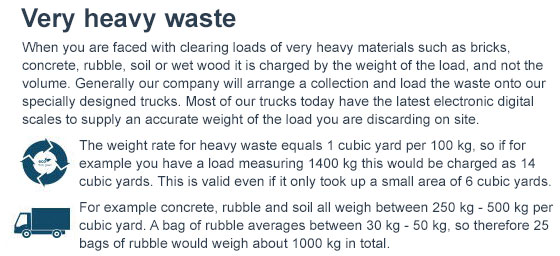
- Forgetting about weight and access. A small pile of waste can still be awkward if it has to go through tight stairs or a no-parking zone.
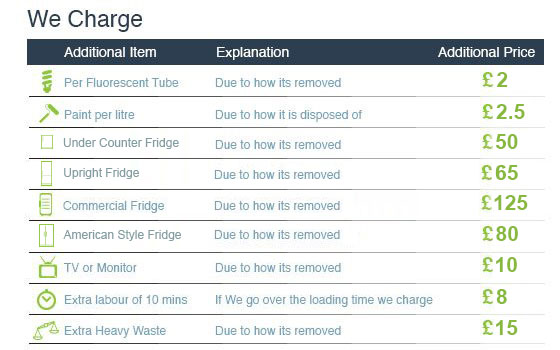
- Ignoring special items. Mattresses, fridges, paint, batteries, and electricals usually need special handling.
One of the biggest mistakes is not checking the destination of the waste. Responsible removal is not just about lifting it away; it is about where it ends up afterwards. If sustainability matters to you, and it probably should, look for a provider that treats that seriously.
Tools, Resources and Recommendations
You do not need a huge toolkit to manage estate rubbish well, but a few simple items help a lot:
- strong refuse sacks for loose waste
- gloves with a proper grip
- tape or straps for flattened boxes
- a trolley or sack truck for heavier items
- marker pen or labels for sorting piles
- bin store keys or access codes kept in one safe place
From a service perspective, it helps to know the difference between the main options. If your job is straightforward and you want one team to take care of the lot, a waste removal service may be the most flexible choice. If the property needs a more complete clear-out, loft clearance, garage clearance, or junk removal can be more suitable depending on where the clutter is sitting.
For residents comparing costs or trying to budget sensibly, pricing and quotes can help you understand what information is usually needed before a proper estimate is given. That matters because rubbish jobs vary a lot. A single bulky item is one thing; a full estate flat clear-out is another entirely.
Law, Compliance, Standards and Best Practice
For estate residents, the safest approach is to treat waste as something that must be managed properly, not dumped casually. UK waste handling expectations are generally built around duty of care, safe storage, and using licensed or appropriate disposal routes where relevant. You do not need to become a legal expert to do the right thing, but you do need to avoid casual shortcuts.
Best practice usually means:
- keeping shared spaces clear and accessible
- separating recyclables from general waste where possible
- not putting out prohibited items with standard rubbish
- making sure waste is collected by a responsible provider
- recording what was removed if you are a landlord or managing agent
If you are handling waste from a move, a clear-out, or a tenancy change, it also helps to work with a company that explains its processes clearly. The pages on about us, insurance and safety, and terms and conditions can be useful when you are checking how a provider approaches the job.
And yes, one more practical point: if you are unsure about a specific item, ask before placing it with the waste. It sounds obvious, but it saves a surprising number of arguments.
Options, Methods, or Comparison Table
Choosing the right disposal method depends on volume, access, urgency, and how mixed the waste is. Here is a simple comparison that may help.
| Option | Best for | Strengths | Limitations |
|---|---|---|---|
| Routine communal bin collection | Day-to-day household waste | Simple, familiar, usually low effort | Not suitable for bulky or mixed clearance waste |
| Bulky waste booking | Large household items in manageable quantities | Good for isolated items, less disruption than a full clearance | Less flexible for urgent or irregular loads |
| Professional rubbish clearance | Mixed loads, awkward access, time-sensitive jobs | Hands-off, quick, useful for estate logistics | Usually more expensive than doing it yourself |
| Skip hire | Ongoing renovation or larger volume projects | Handy for repeat filling over time | Needs space, permits or permissions may be needed depending on location |
If your estate job involves a lot of sorting and lifting, skip hire can be useful. But for many residents, especially in tighter shared spaces, a direct removal visit is simply easier. Less faff. Fewer moving parts.
For readers who want a broader sense of local collection and clearance support, the page on rubbish collection in Brent provides a relevant service overview.
Case Study or Real-World Example
Picture a typical Neasden estate flat at the end of a tenancy. The outgoing tenant has a bed base, a broken chest of drawers, three bags of mixed clutter, and a cupboard full of odds and ends. Nothing dramatic. But it is all awkward, and the lift is small.
The first instinct is often to move everything down in one go. That sounds efficient until the bed base catches on the stair bend and the bag of mixed items tears halfway down. Not a disaster, just messy. A better approach is to sort first, then move the waste in layers:
- bag loose rubbish and recyclable cardboard separately
- strip the bed base where possible
- keep broken furniture together so it is easy to lift out
- confirm the collection point in advance
- clear the corridor last, not first
That simple change can cut the stress down a lot. And if access is tight or the volume is bigger than expected, a local clearance team can remove the items without turning the job into a weekend project that nobody wanted in the first place. You know the kind of weekend. Rainy, windy, and somehow full of screws.
We have seen similar situations in neighbouring parts of Brent too, where estate access and flat layout change the whole feel of the job. The guides on Wembley Park NW10 rubbish removal for homes and Kilburn High Road rubbish clearance tips for flats are useful examples of how location and property type shape the right approach.
Practical Checklist
Use this checklist before any estate collection or clearance day:
- Have I separated general waste, recycling, bulky items, and special waste?
- Have I checked the estate rules or bin store instructions?
- Do I know where items should be placed for collection?
- Is there clear access for carriers, vans, or waste teams?
- Have I protected floors, walls, or lift areas if needed?
- Have I removed anything that needs special handling?
- Do I need help with lifting, transport, or disposal?
- Have I arranged the collection at a sensible time for neighbours?
- Do I know the cost, or at least the likely pricing method?
- Have I checked that the waste will be managed responsibly?
If you can tick most of those off, you are in good shape. If not, pause and sort it out before the waste starts spreading into shared areas. That is usually where the trouble begins.
Get a free quote today and see how much you can save.
Conclusion
Estate rubbish collection in Neasden does not need to be complicated, but it does need a bit of thought. The best results usually come from a simple mix of planning, sorting, and choosing the right removal method for the amount and type of waste you have. Whether you are clearing one awkward item or handling a full flat clear-out, a calm, practical approach saves time and keeps shared spaces respectful for everyone.
If there is one thing to remember, it is this: clear the waste properly once, rather than dealing with the same pile twice. That is the bit people tend to appreciate most later on.
For a local, straightforward next step, explore the site's service pages and choose the option that fits your situation best. Small job or big one, there is usually a sensible route through it.


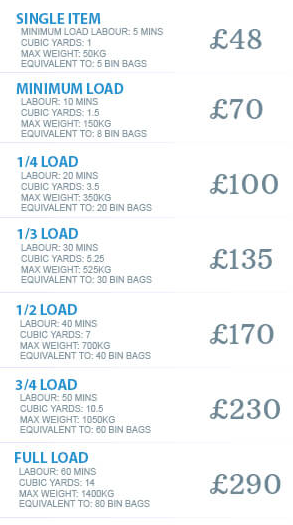
 Tipper Van - Rubbish Removal and Rubbish Collection Prices in Brent, NW1
 Luton Van - Rubbish Removal and Rubbish Collection Prices in Brent, NW1