Avoid hidden costs in Brent rubbish removal quotes
Posted on 10/10/2026

Getting rid of unwanted waste should feel straightforward. But if you have ever compared a few Brent rubbish removal quotes and thought, hang on, why is this one much cheaper?, you are not alone. Hidden extras can turn a decent-looking quote into a frustrating bill. A good price should be clear, itemised, and honest from the start.
This guide shows you how to avoid hidden costs in Brent rubbish removal quotes without getting bogged down in jargon. You will learn what to check, what questions to ask, where surprise fees usually appear, and how to compare providers in a fair way. If you are clearing a flat near Wembley, emptying a garden in Willesden, or just trying to get a cluttered garage sorted before the weekend, the same rules apply: clarity first, savings second, no nasty surprises.
To be fair, most people do not mind paying for a proper service. What they do mind is being told one price and charged another once the van is outside and the pile of waste is suddenly treated like a moving target.
Why hidden costs matter in Brent rubbish removal quotes
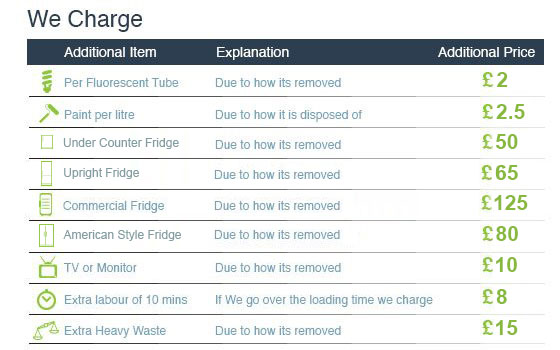
Hidden costs matter because rubbish removal is one of those services where the final price can shift quickly if the quote is vague. A provider may advertise a low starting rate, then add charges for labour, access, lifting, wait time, disposal weight, or special handling. Sometimes those extras are fair. Sometimes they are just poorly explained. Either way, if you do not know what is included, comparison shopping becomes guesswork.
In Brent, that can be especially frustrating. Properties vary a lot: basement flats, shared stairwells, tight mews, estates with restricted access, and busy roads where loading has to happen quickly. A quote that looks cheap on paper can become expensive once the crew arrives and real-world access is taken into account. That is not automatically a scam. But it is exactly why transparency matters.
There is also the timing issue. If you are clearing a property before a sale, renovation, tenancy handover, or a move, delays cost more than money. A vague quote can slow everything down because you end up arguing about extras instead of getting the waste removed. Nobody wants that on a rainy Tuesday with boxes stacked by the door and a deadline looming.
Short version: a clear quote protects your budget, your schedule, and your peace of mind.
How hidden costs in Brent rubbish removal quotes works
Most rubbish removal quotes are built from a few moving parts. Once you understand them, the hidden-cost game becomes much easier to spot. The usual price drivers are:
- Volume - how much waste you have, often measured in van load, cubic yard, or a similar estimate.
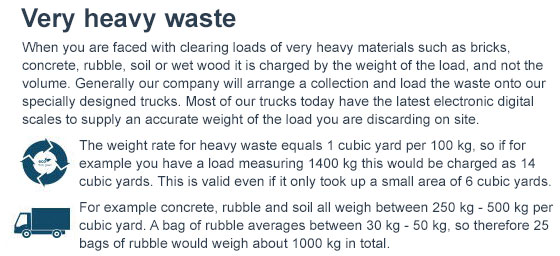
- Weight - particularly relevant for dense materials like soil, rubble, plasterboard, or tiles.
- Labour - how long the team expects to spend loading, carrying, or sorting items.
- Access - stairs, distance from road, parking restrictions, lifts, or awkward entry points.
- Waste type - general junk, furniture, green waste, builders' waste, appliances, and mixed loads may be priced differently.
- Disposal fees - the cost of tipping, recycling, transfer station charges, and any specialist processing.
The tricky part is that some companies present only one of these factors, then add the others later. For example, you might be told a price based on "up to half a load" without being told that a heavy mattress, a broken wardrobe, and three bin bags full of old flooring will push it into a higher bracket. Or the price may assume easy ground-floor access, even if your waste is up three flights of stairs in a compact Brent block. Suddenly the quote becomes a conversation, and not the friendly kind.
Good operators usually explain what the quote covers before arrival. Better still, they ask a few proper questions up front. If they do not ask about access, waste type, or whether there is anything unusually heavy, that is a small warning sign. Not a definite problem, but enough to make you pause.
One useful way to think about it: a trustworthy quote should answer what is included, what could change, and what would trigger a price adjustment. If those three points are unclear, hidden costs can sneak in almost by default.
Key benefits and practical advantages
Transparent pricing is not just about avoiding unpleasant surprises. It changes the whole experience.
- You can compare quotes properly. If two providers include different things, you cannot tell which is genuinely cheaper without a clear breakdown.
- You reduce the risk of disputes. Clear terms make it much easier to agree the final bill.
- You plan your day better. If you know whether loading, disposal, and labour are already covered, you can schedule the job with confidence.
- You are less likely to overpay. Surprise add-ons are often where the margin creeps in.
- You spot professional operators faster. Good businesses tend to communicate clearly before they arrive, not only after.
There is also a quiet mental benefit here. If you have ever had a load of rubbish sitting in the hallway for two days because a quote turned messy, you will know the feeling. It is annoying. It gets in the way. The room feels smaller, the air feels stuffier, and the whole task hangs over you.
That is why the best quote is not always the lowest quote. It is the one that lets you get the job done without second-guessing every line item.
Who this is for and when it makes sense
This approach makes sense for almost anyone booking rubbish removal in Brent, but it is especially useful if you are in one of these situations:
- Homeowners clearing bulky household junk, old furniture, or loft clutter.
- Renters needing a fast flat clearance before move-out day.
- Landlords and agents dealing with end-of-tenancy waste or after-tenancy refreshes.
- Tradespeople arranging builders' waste clearance in Brent where load type and weight can vary a lot.
- Businesses managing office clear-outs, stockroom waste, or refurbishment debris.
- Anyone with awkward access such as upper-floor flats, narrow staircases, or limited parking nearby.
If your waste is mixed, heavy, or hard to reach, pricing can get complicated very quickly. That is exactly when a detailed quote matters most. A simple garden bag collection is one thing; a heap of broken cupboards, old carpet, and damp plasterboard is another story entirely.
And if you are comparing rubbish removal against skip hire, you will want to make sure the comparison is fair. A skip may suit longer projects, while a collection service can be better for quick lifting and loading. The cheapest-looking option can turn out to be the pricier one once permits, labour, and convenience are added in.
Step-by-step guidance
Here is a practical way to avoid hidden costs in Brent rubbish removal quotes without overcomplicating the process.
- List exactly what you need removed. Be honest and specific. "A few bits of furniture" is less useful than "a three-seat sofa, a broken chest of drawers, two bags of general waste, and a broken TV stand."
- Take photos from different angles. Wide shots help the provider judge volume. Close-ups help them spot heavy or awkward items.
- Explain access clearly. Mention stairs, basements, narrow hallways, estate parking, loading restrictions, or the distance from the waste to the vehicle.
- Ask what the quote includes. Check whether labour, disposal, VAT if applicable, and any minimum charges are already built in.
- Ask what would change the price. This is the big one. A proper provider should explain the triggers before arrival.
- Compare like with like. If one quote includes disposal and another does not, they are not really comparable.
- Get the final price confirmation in writing. A text or email is often enough, as long as it is clear.
- Check timing and loading assumptions. If the estimate assumes 10 minutes but your access is tricky, discuss that early.
A small but important detail: if the company asks for a photo, send a truthful one. Not the most flattering one, not the cropped one that hides the mattress pile behind a cupboard. The full picture helps everyone. Saves hassle later.
Another thing people miss is that quotes can change because of waste composition, not just waste amount. A van full of old lightweight packaging is not the same as a van half filled with rubble. Same volume, very different disposal reality.
Expert tips for better results
These are the habits that usually save people the most money and stress.
Ask for the pricing basis, not just the total
"How much will it cost?" is useful, but not enough. Ask how the price is calculated. Is it by load, by weight, by time, or by item? If the answer sounds fuzzy, that is information in itself.
Be careful with "from" prices
A "from GBPX" price is not automatically bad. It just needs context. What is included at the starting price, and what moves it up? If nobody can explain that in plain English, keep looking.
Check whether there is a minimum charge
Some jobs are small but still involve travel, labour, and disposal. A minimum charge can be fair. But you should know about it before booking, not after.
Separate heavy waste from light waste
If you have rubble, soil, tiles, or broken bathroom fittings, tell the company early. Heavy waste often changes the economics of the job. Mixing it into a vague description is a classic way hidden costs appear.
Factor in access honestly
One of the biggest sources of price changes is how easy it is to reach the waste. A ground-floor collection near a loading bay is much simpler than carrying bags down several floors in a block with no lift. Truth be told, access can matter as much as the waste itself.
Use clear language when describing the job
Do not say "a normal amount of junk" and hope for the best. What is normal to you might be a full van to someone else. Use item counts, room names, or rough bag numbers.
Choose clarity over guesswork
If a company cannot give a confident answer before the job starts, that is rarely a good sign. A little caution at the quote stage can save a lot of frustration later.

Common mistakes to avoid
Most hidden-cost problems start with one of a few predictable mistakes. The good news? They are avoidable.
- Accepting a price without asking what is included. Cheap quotes often look neat because they leave things out.
- Under-describing the waste. Forgetting to mention mattresses, fridges, bricks, or mixed materials can distort the quote.
- Ignoring access details. If there is no parking nearby or the lift is out, the job is not as simple as it sounds.
- Comparing a skip to a removal service without checking the full cost. They solve different problems, and the cheapest headline number can be misleading.
- Not asking about extra charges. Wait time, congestion, heavy lifting, and disposal surcharges are the usual suspects.
- Assuming all waste is treated the same. Mixed and specialist waste can change pricing and handling requirements.
A common one, and it happens more than people admit, is booking in a hurry because the room is driving you mad. Understandable. Really. But a rushed yes is where hidden extras like to hide. Take five minutes, breathe, and ask the awkward questions.
If you are collecting quotes during a busy week, it can help to write the answers down. Prices blur together fast. By Friday, the "includes labour" quote and the "labour not included" quote can sound weirdly similar in your head. That is just human memory doing its messy thing.
Tools, resources and recommendations
You do not need fancy tools to avoid hidden costs, but a few simple resources make the process smoother.
- Phone photos - capture the waste from multiple angles and include access points if relevant.
- A short inventory list - note key items, approximate bag counts, and anything heavy or awkward.
- Measurements - if you know the size of a sofa, wardrobe, or pile area, include it.
- Message or email records - keep the original quote details in writing.
- A comparison note - jot down what each company includes, not just the headline price.
For local planning, a good starting point is the provider's pricing and quotes information, which should help you understand how the business approaches estimates. If you want to learn more about service scope before you compare options, the services overview is also useful.
It can also help to review the company's broader policies before you book. For example, payment processes and security details matter if you want to avoid confusion around deposits or card handling. Likewise, an accessible insurance and safety page can tell you a lot about how seriously a provider treats the job. Small clues, but useful ones.
One last recommendation: if your rubbish is tied to a larger project, such as a house move, refurbishment, or clearance of a whole room, consider whether a dedicated service like house clearance in Brent or rubbish clearance in Brent is a better fit than a casual one-off collection. The right service shape often reduces surprises before they start.
Law, compliance, standards, or best practice
Waste removal in the UK is not just a practical service; it is also something that should be handled responsibly. You do not need to become a waste-law expert, but you should expect any professional provider to follow sensible best practice around disposal, sorting, and safety.
At a minimum, a trustworthy operator should be able to explain how waste is handled after collection, including whether items are recycled where possible and how different waste streams are separated. That matters because poor handling can create problems for the customer as well as the environment. If someone offers to take "anything, no questions asked," that is not reassuring. It is the opposite, actually.
From a customer perspective, a few practical standards are worth watching for:
- Clear identification of included costs before work begins.
- Transparent explanation of any surcharges linked to weight, access, or waste type.
- Responsible handling of recyclable materials where appropriate.
- Safe manual handling for heavy or awkward items.
- Respect for property access and shared spaces in flats, estates, and commercial buildings.
In practice, the safest approach is simple: ask for a quote that reflects the real job, not the ideal version of it. If access is difficult, say so. If the waste is heavy, say so. If there is a broken appliance mixed in with general junk, say so. Honest detail at the start is what keeps the final bill honest too.
For more background on how a responsible company approaches its work, you can also look at recycling and sustainability and insurance and safety. Those pages help you judge whether a provider thinks beyond the cheapest possible pickup.
Options, methods, or comparison table
If you are trying to work out the best route, it helps to compare the main collection methods side by side. This is where many hidden-cost problems become obvious.
| Option | Best for | Potential hidden-cost risk | What to check |
|---|---|---|---|
| Rubbish removal service | Fast clearance, lifting included, awkward access | Extra labour, weight changes, access surcharges | What the quote includes, and what triggers an uplift |
| Skip hire | Longer DIY projects with enough space for a skip | Permit costs, overfilling, hire extensions | Permit needs, size, duration, and disposal rules |
| Self-loading van hire | People who can move waste themselves | Fuel, time, disposal, labour, and tip fees | Full journey cost and whether tipping is included |
For many Brent households, a removal service is the simplest option because the team handles the lifting and loading. But simplicity only stays simple if pricing is transparent. If you go the skip route, the headline price may look tidy until permit and space issues appear. And if you load everything yourself, the hidden cost is often your own time and energy. Not exactly free, is it?
So the real question is not "which option is cheapest?" but "which option is cheapest once everything is included?" That is the better question. Always.
Case study or real-world example
Imagine a couple in Brent clearing a one-bedroom flat after a tenancy ends. They have an old sofa, a mattress, two chairs, several bags of mixed rubbish, and some broken shelving. One quote comes in low. The provider says it is for "general waste removal," but does not clarify labour, stairs, or disposal type. Another quote is slightly higher, but it includes loading, disposal, and a confirmed price for the listed items.
On collection day, the cheaper quote starts to shift. The sofa is awkward, the building has two flights of stairs, and there is no parking directly outside. Suddenly the final bill climbs. The higher quote, by contrast, stays steady because the provider had already accounted for access and item mix. No drama. Just the agreed price.
The lesson is simple but important: a quote that seems expensive can still be the better value if it is complete. Meanwhile, a bargain quote that grows through add-ons can end up costing more, and usually causes more stress too. That little extra upfront clarity saves a lot of back-and-forth later.
This is also where local knowledge helps. Brent properties vary a lot from block to block. A crew that understands tighter access, parking pressure, and apartment layouts is less likely to miss the realities that affect pricing. If you are dealing with location-specific clearance needs, pages like tips for flat rubbish clearance and Neasden estate collection guidance can give you a better feel for what to expect in real-life settings.
Practical checklist
Use this quick checklist before you agree to any quote. It takes minutes, and honestly, it can save you a headache.
- Have I described all waste items clearly?
- Have I mentioned heavy, wet, sharp, or awkward items?
- Have I explained stairs, distance to vehicle, parking, and access restrictions?
- Do I know whether labour is included in the price?
- Do I know whether disposal fees are included?
- Have I asked what would trigger an extra charge?
- Have I compared quotes on the same basis?
- Do I have the final price or estimate in writing?
- Does the provider seem clear, patient, and willing to explain the breakdown?
- Would I still feel comfortable with this quote if the job turned out to be a little more awkward than expected?
Practical summary: the safest quote is the one that matches the real job, not the rosy version of it. Be specific, ask direct questions, and keep the comparison fair.
Get a free quote today and see how much you can save.
Conclusion
To avoid hidden costs in Brent rubbish removal quotes, focus on clarity before price. The cheapest headline number can be tempting, especially when you just want the clutter gone and the room back. But a properly explained quote is usually the smarter choice, because it helps you avoid surprise fees, awkward disputes, and unnecessary delay.
If you remember just one thing, make it this: compare the full job, not the headline number. Ask what is included, what could change, and how the provider handles access, weight, and disposal. That one habit will save you from most of the unpleasant surprises people run into.
And once the rubbish is gone and the space feels open again, that quiet bit of relief is lovely. You notice the light in the room. The echo changes. It all feels a bit easier.
That is the real goal, really. Not just a cheaper quote. A cleaner, calmer end result.


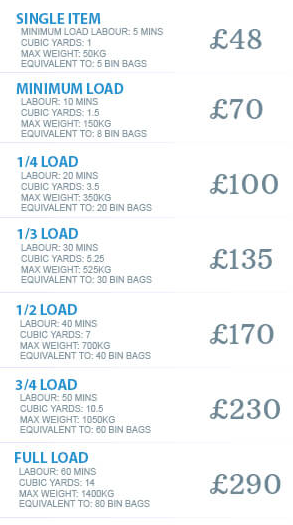
 Tipper Van - Rubbish Removal and Rubbish Collection Prices in Brent, NW1
 Luton Van - Rubbish Removal and Rubbish Collection Prices in Brent, NW1